

To begin, Dr. Hlavaty will walk you through your treatment plan and determine if sedation is the right choice for your procedure. For more invasive or lengthy dental procedures, specific types of sedation may be recommended or necessary. Other options are best suited for relieving tension and anxiety.

Next, Dr. Hlavaty will discuss your current health and past health history to make sure sedation is an appropriate option for you. Some health issues may affect your ability to be sedated with your preferred method, such as past drug addiction or the use of certain prescription medications or supplements.
An honest conversation with Dr. Hlavaty regarding your specific needs and concerns will help determine which sedation options will work best for you. How deeply do you wish to be sedated? What is making you anxious about your procedure? Do you have a low pain threshold? Your dentist may ask a variety of questions in order to select the appropriate sedation method.
After collecting this information, Dr. Hlavaty will lay out all your available sedation options. He will also let you know of each one’s effects and instructions. With his recommendation and your input, we can help you choose the right option for your procedure.
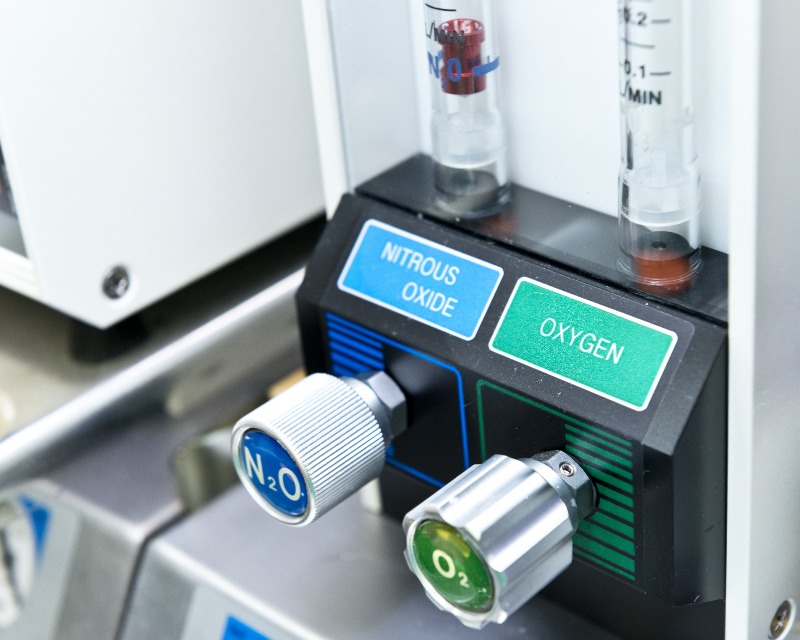
Nitrous oxide sedation can make your dental appointment easier in several ways:
1-Reduces anxiety and fear: Nitrous oxide sedation produces a calming and relaxing effect that can help to reduce anxiety and fear associated with dental treatments. This can make it easier for you to undergo the dental procedure without feeling too anxious or stressed.
2-Increases comfort: Nitrous oxide sedation can increase your comfort level during the dental procedure. It can help to reduce any pain or discomfort you may experience, as well as reduce your sensitivity to certain dental sensations like the sound of dental instruments or the feeling of pressure.
3-Shortens perceived procedure time: Because nitrous oxide sedation can make you feel drowsy and less aware of time passing, it may seem like the dental procedure is shorter than it actually is. This can make the appointment feel easier to endure.
4-Helps with sensitive teeth or gag reflex: Nitrous oxide sedation can help with dental treatments that involve sensitivity or a gag reflex. For example, if you have sensitive teeth or a sensitive gag reflex, nitrous oxide sedation can help to reduce these sensations and make the procedure more comfortable.
Overall, nitrous oxide sedation can make your dental appointment easier by helping you feel more relaxed and comfortable during the procedure. If you experience anxiety or fear when visiting the dentist, or if you have a sensitive gag reflex or sensitive teeth, nitrous oxide sedation may be a good option for you.
Oral conscious sedation can make your dental appointment easier in several ways:
1-Reduces anxiety and fear: Oral conscious sedation can help to reduce anxiety and fear associated with dental treatments. The medication is designed to make you feel relaxed and comfortable during the dental procedure, which can make it easier for you to undergo the treatment without feeling too anxious or stressed.
2-Increases comfort: Oral conscious sedation can increase your comfort level during the dental procedure. It can help to reduce any pain or discomfort you may experience, as well as reduce your sensitivity to certain dental sensations like the sound of dental instruments or the feeling of pressure.
3-May improve cooperation: For patients who have difficulty sitting still for extended periods of time or cooperating during dental treatments, oral conscious sedation can help improve their ability to cooperate with the dentist's instructions.
4-Shortens perceived procedure time: Because oral conscious sedation can make you feel drowsy and less aware of time passing, it may seem like the dental procedure is shorter than it actually is. This can make the appointment feel easier to endure.
Overall, oral conscious sedation can make your dental appointment easier by helping you feel more relaxed and comfortable during the procedure. If you experience anxiety or fear when visiting the dentist or have difficulty cooperating during dental treatments, oral conscious sedation may be a good option for you. It's important to discuss your concerns and options with your dentist to determine if oral conscious sedation is appropriate for your needs.
IV sedation can make your dental appointment easier in several ways:
1-Deep level of sedation: IV sedation provides a deeper level of sedation than nitrous oxide or oral conscious sedation. This means that you will be more deeply relaxed and may not be aware of the procedure at all, which can help to reduce anxiety and fear associated with dental treatments.
2-Increased pain relief: IV sedation can provide increased pain relief compared to other forms of dental sedation. This means that you will likely experience less discomfort during the dental procedure, which can make it easier for you to undergo the treatment.
3-Shortens perceived procedure time: Like other forms of sedation, IV sedation can make you feel drowsy and less aware of time passing. This can make the dental procedure seem shorter than it actually is, which can make the appointment feel easier to endure.
4-Helps with longer or more complex procedures: IV sedation is often used for longer or more complex dental procedures, such as wisdom teeth extractions or root canals. This is because the sedation provides a deeper level of relaxation that can help patients endure longer and more complex treatments.
Overall, IV sedation can make your dental appointment easier by providing a deeper level of sedation and pain relief, making longer or more complex procedures more tolerable, and helping to reduce anxiety and fear associated with dental treatments. It's important to discuss your concerns and options with your dentist to determine if IV sedation is appropriate for your needs.
General anesthesia can make your dental appointment easier in several ways:
1-Complete sedation: General anesthesia provides a complete sedation, which means that you will be completely unconscious and unaware of the dental procedure. This can be helpful for patients who experience extreme anxiety or fear associated with dental treatments.
2-Increased pain relief: General anesthesia can provide increased pain relief compared to other forms of dental sedation. This means that you will not experience any discomfort during the dental procedure, which can make it easier for you to undergo the treatment.
3-Shortens perceived procedure time: Because general anesthesia causes complete unconsciousness, you will not be aware of the procedure or the time passing. This can make the appointment feel easier to endure.
4-Helps with more invasive procedures: General anesthesia is often used for more invasive dental procedures, such as full mouth extractions or dental implant surgery. This is because the anesthesia provides complete sedation and pain relief, which is necessary for these more complex procedures.
Overall, general anesthesia can make your dental appointment easier by providing complete sedation and pain relief, making more invasive procedures more tolerable, and helping to reduce anxiety and fear associated with dental treatments. However, general anesthesia carries some risks and is usually reserved for more complex dental procedures. It's important to discuss your concerns and options with your dentist to determine if general anesthesia is appropriate for your needs.


Sedation is used to soothe dental anxiety and alleviate pain during procedures. Many patients suffer from dental anxiety, which can prevent them from getting the dental care they need. If coming to the dentist makes you feel anxious or nervous, sedation can help you feel safe, comfortable, and relaxed during your treatment.
Sedation also helps mitigate pain and discomfort during more invasive procedures, such as oral surgeries, tooth extractions, and dental implant placement. If you require multiple dental procedures and need to sit still for several hours during treatment, sedation can help you feel comfortable and calm.
Most patients are good candidates for sedation dentistry, but it is important to share your current health and past health history with your dentist to make sure sedation is appropriate for you. If you have a history of drug abuse, or are taking medications that may interfere with the sedation process, sedation dentistry may not be a suitable option. Reach out to our team to learn more about sedation, and to get the conversation started.
Each method of sedation feels different, so it depends on which option you choose. Laughing gas keeps you fully conscious and aware of your surroundings. You will feel light-headed, giggly, and relaxed while feeling less discomfort during treatment.
Oral conscious sedation and IV sedation will most likely cause you to fall asleep and forget most of your procedure. However, you will not be unconscious, and you can still be woken and respond to commands. Feeling groggy and “out of it” are common side effects.
The deepest method of sedation is general anesthesia. You will be completely unconscious and will not feel or remember anything from your procedure.
Yes. Sedation dentistry is provided by qualified professionals at our office who are specially trained to administer all available options. While oral conscious sedation and IV sedation have more prolonged side effects compared to laughing gas, they are still very safe. As long as you are a good candidate, sedation will have no serious risks to your health or well-being.

Monday - Thursday
9:00AM - 6:00PM


.png)
.png)
.png)